April 19, 20269 min read
UK Legal Tyre Tread Depth: The 1.6mm Rule, the 20p Test, and When to Replace Tyres
By Mobile Tyre Pro Team
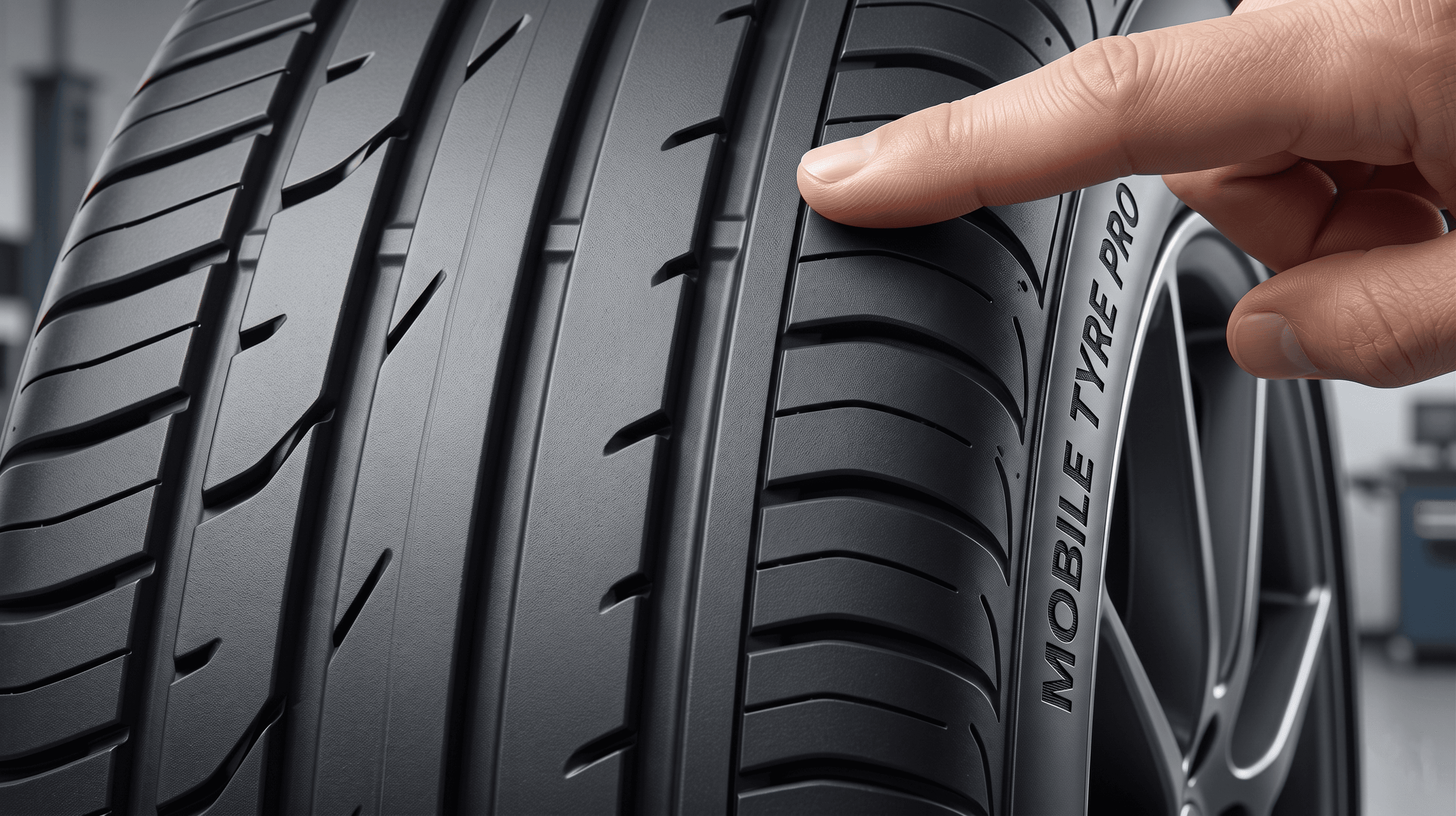
Let us start with the simple bit: what does the law actually say?
If you drive a normal car or light van in the UK, your tyres need at least 1.6mm of tread in a continuous band across the central three-quarters of the tread width, and that band has to run right around the full circumference of the tyre. That is the same idea an MOT tester uses, and it is the same bar the police would use if you were stopped.
It is not just depth, either. Tyres need to be the right type for the vehicle, properly inflated, and in decent condition, so big cuts, bulges, or exposed structure are a hard no. If something looks “maybe fine,” we would rather you assumed it is not than risk it on the A12 in driving rain.
Why we tell people not to flirt with 1.6mm
Here is the honest truth: 1.6mm is a legal minimum, not a comfort zone. As tread wears down, the tyre shifts water less confidently. On a greasy dual carriageway or a fast stretch of the A14 or A127, that can show up as longer braking distances and a higher chance of aquaplaning long before you feel like a “bad driver.”
Most of the people we meet in Essex and Suffolk are not trying to push their luck, they are just busy. If that sounds like you, plenty of garages and tyre brands suggest thinking about replacement around 3mm if you do a lot of wet miles, night driving, or school runs where you cannot afford a sketchy stop in the wet.
The 20p test (and why you should still buy a cheap gauge)
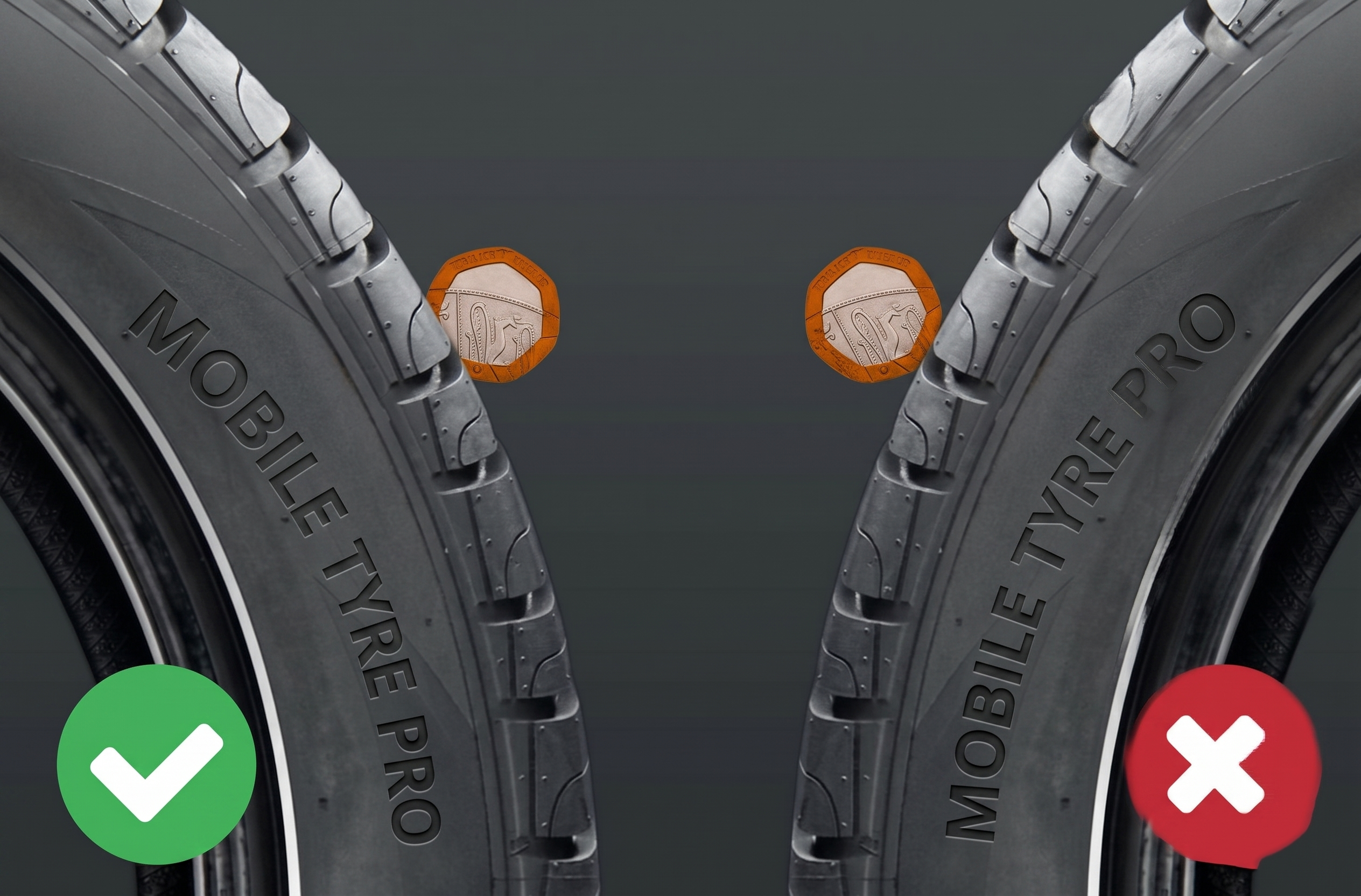
We are fans of the 20p coin trick because it gets you into the habit of looking at tread, but it is a rough guide, not a courtroom measurement. Coin designs change over time, and nothing beats a tread depth gauge you can pick up for a few pounds online.
- Slot the 20p into the main grooves in the middle of the tread, not right out on the shoulder.
- If the outer band around the coin is easy to see, treat that as a red flag: get a proper measurement and start planning a change.
- If the band is mostly hidden, you are probably still legal, but go around the whole tyre, because uneven wear can leave one patch illegal while another still looks healthy.
When you measure with a gauge, take a few readings across the width of the tyre and note the lowest number. That lowest spot is what decides MOT pass or fail, not the bit that still looks pretty.
While you are down there, if you are booking new tyres soon it saves time to know your size, our guide to finding your tyre size on the sidewall walks you through it without the jargon.
What MOT testers tend to pick up (that drivers miss)
MOT checks look at depth, damage, and whether the tyres suit the axle they are on. We see plenty of fails for low tread on the inside edge where the driver never looks, or for a cut in the wrong place even though “it still holds air.”
Also remember: an MOT pass last month does not mean you are bulletproof today. Kerb a wheel on Monday, pick up a slow puncture on Tuesday, and by Friday you can be in a very different place, if that happens, our nail in the tyre article explains when to stop driving and when a repair might still be on the cards.
Uneven wear is the quiet one that catches people out
Most of us glance at the outside shoulder we can see from the pavement. Meanwhile, the inside shoulder can be wearing faster thanks to tracking, or the outside can get chewed up from roundabouts and tight town corners. If any part of that tyre drops under 1.6mm, the whole tyre is illegal, even if another strip still has plenty of life.
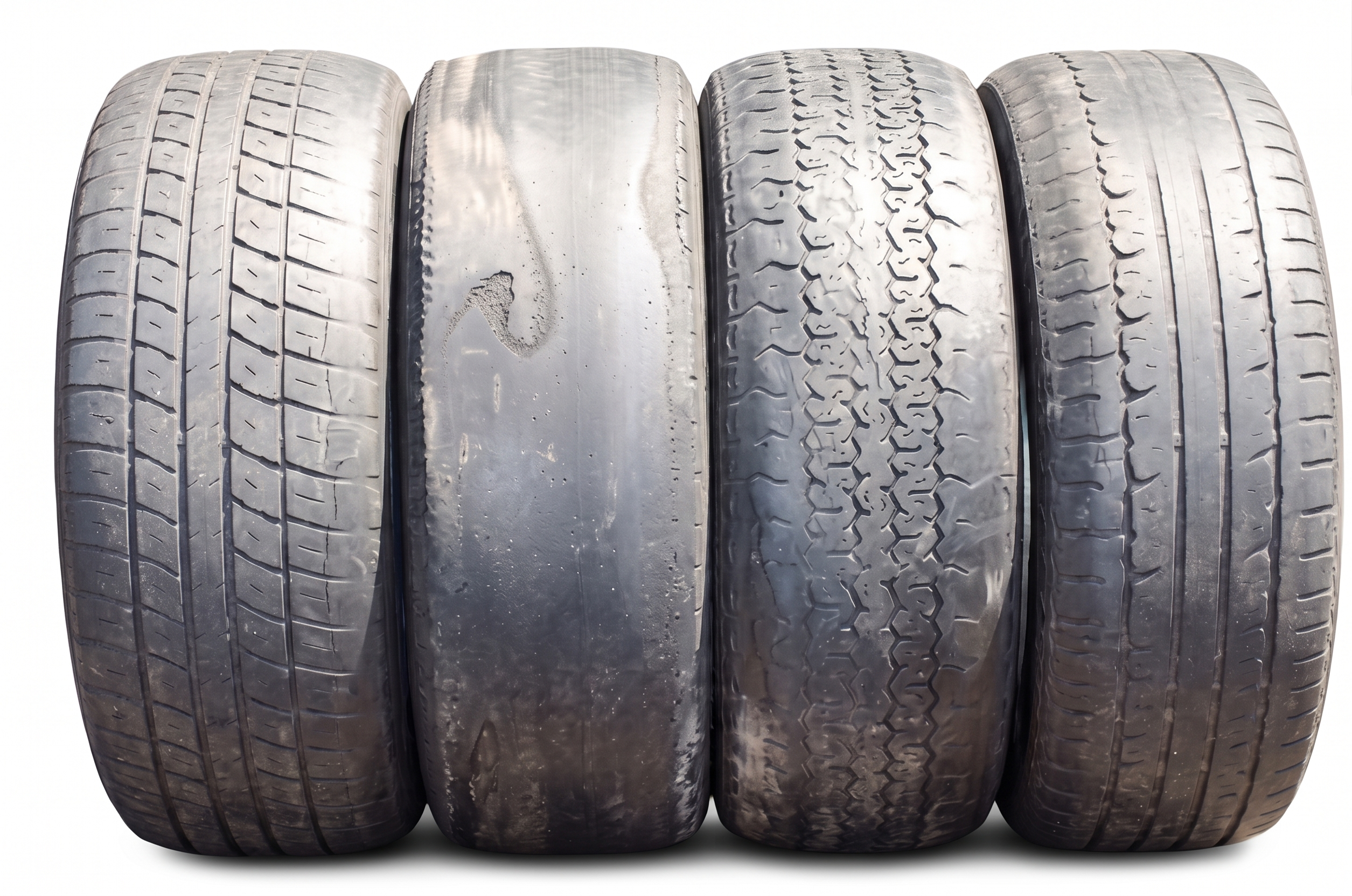
If you spot feathering, a stepped wear pattern, or one corner going bald faster than the rest, it is worth sorting before you order rubber. Sometimes you need alignment work; sometimes you simply need new tyres fitted and a fresh start.
When we would swap tyres before the law forces you to
- You spend a lot of time on fast, wet roads and you want predictable braking.
- The TPMS light keeps coming back after you have aired up, or the car feels vague when you pull away on damp Tarmac.
- You are heading into autumn and winter on rubber that was already “just about okay” in the summer.
- You would rather spend money on tyres than time on stress, totally fair.
How we can help without you living at a tyre depot
Once you know you are low on tread, the job should feel straightforward: clear advice, the right size, proper mounting, balancing, and torque, without burning half your day in a waiting room. That is exactly why many drivers compare mobile tyre fitting versus a traditional garage and stick with mobile for day-to-day life.
We fit at home, at work where parking allows, or out on the road when you are stuck. If it is urgent, emergency puncture help is part of what we do across Essex and Suffolk, and you can always get in touch for a straight answer before you commit to a long drive on tyres you are not sure about.
If you want a second opinion, send us a clear photo of the tread across the width of the tyre, or your registration and postcode when you call. We would rather talk you through it once than have you guessing on a dark, wet evening.
Need an emergency fitter now?
24/7 mobile tyre fitting across Essex & Suffolk, we come to you.
01206 258282Request a callback