29 May 202526 min read
The Ultimate Guide to All-Season Tyres UK 2025: Reviews & Advice
By Mobile Tyre Pro Team
View original article on mobiletyrepro.com
Introduction: Navigating UK Weather with the Right Tyres
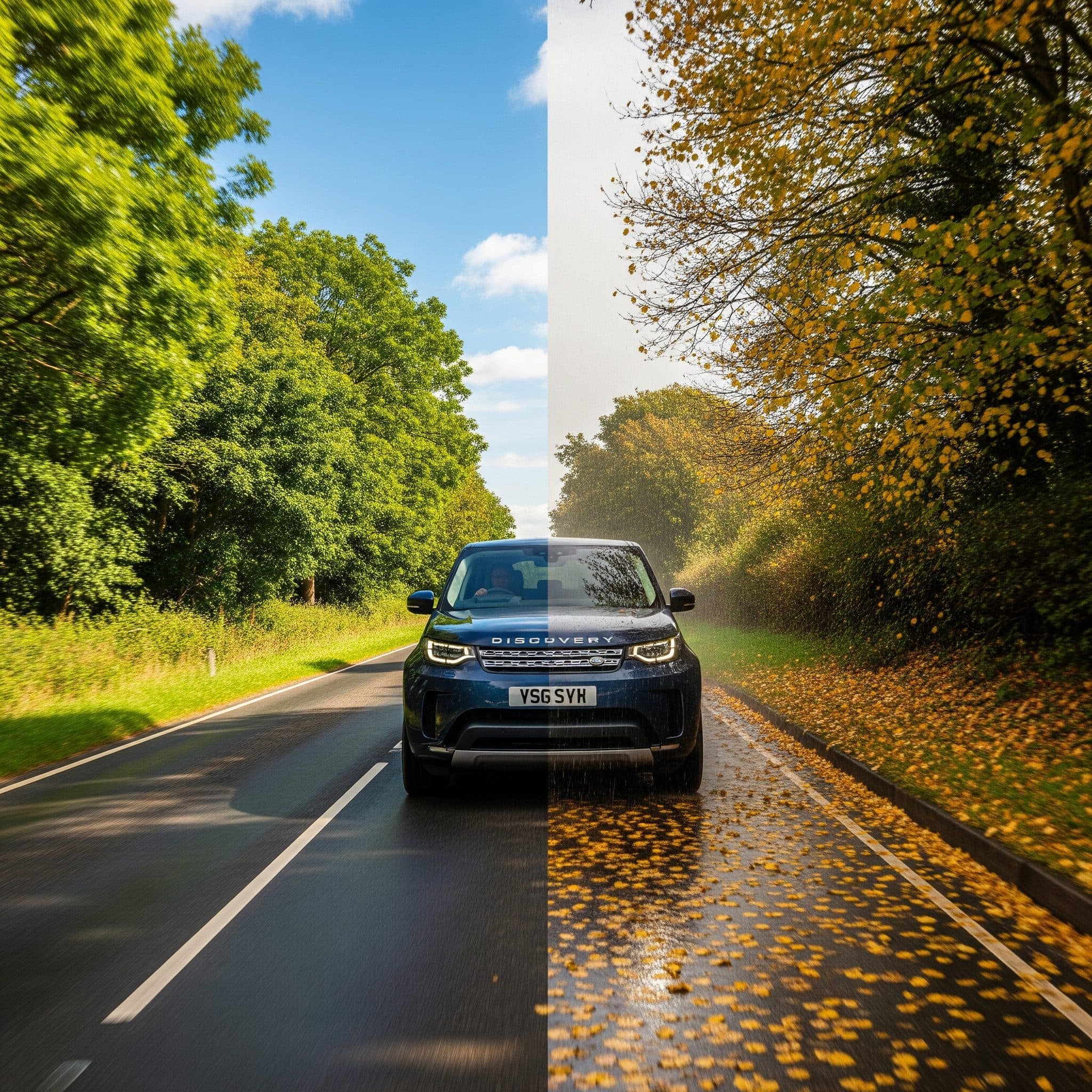
Navigating the famously unpredictable UK weather often comes down to one critical choice: finding the best all-season tyres UK drivers need for year-round safety and performance. Are summer tyres truly safe for a wet autumn, and are full winter tyres overkill for a mild, frosty morning? This guide explores the versatile solution many are turning to. We’ll dive into what makes them a smart choice for year-round driving, review the top models for 2025, and help you decide if they are the right fit for your car and driving style.
In response to these diverse demands, all-season tyres—sometimes called all-weather tyres—have surged in popularity. These tyres offer a versatile, year-round solution, aiming to provide a competent balance of capabilities across a wide spectrum of weather conditions. The appeal is clear: you can potentially avoid the biannual ritual of swapping between summer and winter tyres, saving both time and money. Consequently, this trend reflects a desire for convenience and cost-effectiveness. Many UK drivers appear willing to embrace a tyre that delivers solid all-around performance for the sake of practicality, especially given the weather’s unpredictable nature.
Therefore, this guide will delve into the world of all-season tyres for UK drivers looking ahead to 2025. We’ll explore what defines these tyres, assess their suitability for the unique British climate, and review top-performing models. Furthermore, we’ll examine exciting advancements in eco-friendly and smart technologies, provide essential maintenance advice, and ultimately help you determine if all-season tyres are the right choice for your vehicle.
Section 1: Decoding All-Season Tyres: More Than Just a Compromise?
Before deciding if they are the right fit, it’s crucial to understand the fundamental characteristics of all-season tyres. They are not simply a “jack-of-all-trades”; modern all-season tyres are a sophisticated blend of technologies. They are specifically designed to perform competently across a wider range of temperatures and conditions than their specialist counterparts.
How They Differ from Dedicated Tyres
- Summer Tyres: These are designed for optimal performance above 7°C. They feature a harder rubber compound and shallower tread patterns, providing excellent grip on both dry and wet warm roads. However, their performance drops significantly in colder temperatures, and they offer almost no traction in snow or ice.
- Winter Tyres: In contrast, winter tyres use softer rubber compounds that stay flexible below 7°C. They boast deeper tread grooves and more sipes (small slits) to provide superior grip on snow, ice, and cold, wet roads. While essential for harsh winter conditions, they tend to wear faster and offer reduced performance in summer.
- All-Season Tyres: These tyres aim to bridge the gap. They use intermediate rubber compounds and special tread patterns that function effectively across a broader temperature spectrum, including light snow and the wet conditions common in the UK.
Key Technologies Explained
The performance of all-season tyres hinges on several key technologies:
- Rubber Compounds: The rubber compound is a critical element, often featuring increased silica content or adaptive polymers. This allows the tyre to remain pliable in the cold without becoming too soft and wearing excessively when temperatures rise. Ultimately, this balance is key to their year-round usability.
- Tread Patterns: All-season tread patterns are more intricate than those on summer tyres. They often incorporate V-shaped grooves, interlocking blocks, and a greater density of sipes. Engineers design these features to efficiently evacuate water, reduce the risk of aquaplaning, and provide more biting edges for traction in light snow.
- Sipes: Sipes are tiny, razor-thin slits cut into the tyre’s tread blocks. Their main function is to create extra biting edges, which significantly improve grip on wet, snowy, and icy surfaces by allowing the tread to flex.
Essential Markings: Understanding M+S and 3PMSF
When evaluating all-season tyres, two important sidewall markings reveal their capabilities:
- M+S (Mud and Snow): This marking indicates the manufacturer designed the tyre with some capability for mud and light snow. However, the M+S symbol is often a self-certification and doesn’t guarantee a specific level of winter performance. While older or basic all-season tyres might carry only this mark, it’s no longer a definitive indicator of true all-weather prowess.
- 3PMSF (Three-Peak Mountain Snowflake): This symbol is a far more reliable indicator of a tyre’s winter capabilities. To earn the 3PMSF mark, a tyre must pass a standardised test measuring its acceleration on snow. This certification means the tyre is legally recognised as suitable for winter use in many European countries. For UK drivers who may encounter snow, the 3PMSF symbol should be considered a crucial feature. Its prevalence on modern all-season tyres reflects a commitment to genuine four-season capability and safety.
Section 2: All-Season Tyres in the UK: A Perfect Match or a Fair-Weather Friend?
The decision to choose all-season tyres in the UK hinges on a careful assessment of their performance characteristics against the backdrop of the nation’s notoriously fickle weather.
A Deep Dive into the UK Climate
The UK’s climate is broadly temperate maritime, meaning it generally has cool, wet winters and warm, wet summers with considerable variability. Key characteristics include:
- Mild, Wet Winters: Severe, prolonged snow and ice are uncommon for much of the UK. However, winters are often characterized by persistent rain and temperatures that frequently dip below the critical 7°C threshold where summer tyres lose effectiveness.
- Variable Temperatures: Spring and autumn can see significant temperature swings, making it challenging to choose the right moment to switch seasonal tyres.
- Occasional Light Snow and Ice: Most regions experience some light snowfall or icy patches, though severity varies by location.
- Frequent Rainfall: Rain is a common feature year-round, making wet grip a primary safety consideration.
Motoring organisations like the RAC suggest all-season tyres can excel in “wet, wintry conditions.” Similarly, Europcar notes their suitability for “mild winters and moderate summer conditions.” This indicates a general consensus that all-season tyres are a well-suited option for a significant portion of UK drivers. Their key advantage is providing consistent safety across the transitional temperatures common in UK autumn and spring.
However, it’s crucial to recognise that the “UK climate” is not uniform. A driver in central London faces different conditions than someone in the Scottish Highlands. Therefore, while all-season tyres offer broad suitability, you must factor in your local climate. Understanding this balance is key to choosing the best all-season tyres UK conditions demand.
Advantages for UK Drivers
- Convenience: This remains the biggest draw. Eliminating biannual tyre swaps saves time, storage hassles, and garage fees.
- Safety on Wet Roads: All-season tyres offer excellent grip and efficient water dispersal, which is critical for reducing aquaplaning risk in the UK’s rainy climate.
- Performance in Typical British Conditions: They provide reliable traction and braking in the cool, damp conditions where summer tyres would underperform.
- Potential Cost-Effectiveness: For many, the total cost of running one set of all-season tyres can be lower than buying and maintaining two sets of seasonal tyres, particularly if you rarely encounter severe winter conditions. For a truly hassle-free experience, a mobile fitting service can deliver and fit your new tyres at your home or workplace.
Limitations to Consider
- Performance in Severe Snow/Ice: While 3PMSF-rated tyres handle light snow, they generally cannot match dedicated winter tyres in heavy snow or on thick ice. This is a vital consideration for those in areas prone to challenging winter weather. If this describes your situation, it’s worth reviewing our guide for dedicated winter tyres.
- Performance in Peak Summer Heat: In very hot summer conditions, some all-season tyres may not offer the sharp handling or wear resistance of high-performance summer tyres.
- Wear Rate: The debate on wear rate continues. Longevity often depends on the specific tyre model, your driving style, and regular maintenance.
To provide a clearer picture, the following table summarises the general performance characteristics:
Table 1: Quick Comparison: All-Season vs. Summer vs. Winter Tyres for UK Conditions
Note: Performance can vary significantly between specific tyre models and brands. This table provides a general guideline for typical UK conditions.
Section 3: Reviewing 2025’s Best All-Season Tyres in the UK
Choosing the right tyre involves navigating a competitive market. The selections in this guide are based on a synthesis of recent independent tyre tests from respected sources like Auto Express and TyreReviews.com, expert opinions, and user feedback from 2024 and early 2025. This section reviews the leading all-season options for the UK, focusing on criteria like wet/dry performance, snow grip, longevity, and fuel efficiency.
Crucially, remember that tyre performance is influenced by both the specific tyre size and the test vehicle. A “test winner” on one car may not be the absolute best for every situation. Therefore, it’s advisable to look at trends across multiple tests. The top-tier all-season tyres are often very closely matched, with small distinctions in specific performance areas.
In-depth Reviews of Leading All-Season Tyres for 2025
Here are some of the standout all-season tyres consistently earning praise for their suitability on UK roads:
Michelin CrossClimate 2 / CrossClimate 3
- Performance: The CrossClimate series is renowned for its strong all-around performance, excelling in snow handling, braking, and traction. The CrossClimate 2 was even named WhatTyre’s All-Season SUV Tyre of the Year for 2024. It’s also praised for low rolling resistance, which aids fuel efficiency. The newer CrossClimate 3 builds on this with increased mileage and enhanced energy efficiency.
- User Feedback: Drivers report high confidence in all weather conditions and good wear life. However, some have noted a minor impact on fuel consumption or slightly increased noise levels on certain vehicles.
- Considerations: As a premium product, Michelin CrossClimate tyres are often at the higher end of the price spectrum.
- Eco/Smart Features: Focuses on low rolling resistance and longevity. Some models are EV-compatible.
Continental AllSeasonContact 2
- Performance: This tyre has won accolades for its excellent wet handling, strong snow traction, low rolling resistance, and impressive wear rates. In fact, it won the Tyre Reviews 2024 All-Season Test (205/55R16 size). On the other hand, the same test raised some concerns about its aquaplaning resistance and longer dry braking distances compared to rivals.
- Features: It incorporates advanced materials, an adaptive tread design, and is marked as EV-compatible.
- User Feedback: Feedback is generally positive, with users appreciating its grip and quiet ride.
- Eco/Smart Features: Advanced materials reduce friction for lower abrasion, longer life, and better fuel economy. ContiSeal (self-sealing) technology is available on selected versions.
Pirelli Cinturato All Season SF3
- Performance: Launched in 2024, the SF3 has quickly become a top performer. It’s praised for strong braking in dry and wet conditions, commendable snow performance, and low noise levels. It also secured a test win in a 2024 Tyre Reviews comparison. However, some tests point to higher wear rates as a potential drawback. A key highlight is its consistent ‘A’ class rating for wet braking on the EU tyre label.
- Features: It uses a new compound, innovative 3D sipes for snow grip, and an optimized tread pattern. Elect-marked versions are also available for EVs.
- User Feedback: Users often commend its comfort, quietness, and strong wet grip. A lack of substantial rim protection on some sizes has been noted.
- Eco/Smart Features: A new polymer blend and tread design contribute to low rolling resistance. Seal Inside (puncture-sealing) technology is available for selected sizes.
Goodyear Vector 4Seasons Gen-3
- Performance: This is a well-established tyre known for its balanced capabilities, offering good wet grip and competent snow handling. It was awarded ‘Green Tyre of the Year’ in 2022 by Auto Bild for its excellent mileage and low abrasion. However, some recent 2025 tests have shown mixed results, with occasional weaknesses in areas like aquaplaning resistance.
- User Feedback: It generally receives positive feedback for reliability and comfort, though some users mention road noise.
- Eco/Smart Features: Focuses on longevity and low abrasion. Goodyear is also actively developing tyres with high sustainable material content.
Ultimately, identifying the best all-season tyres UK drivers can buy often comes down to which performance attributes an individual prioritises.
Table 2: 2025’s Best All-Season Tyres: Feature & Performance Snapshot (UK Focus)
Section 4: The Future is Now: Eco-Friendly and Smart All-Season Tyres
The tyre industry is undergoing a significant transformation, driven by a collective push for greater sustainability and the integration of intelligent technologies. These advancements are increasingly evident in the all-season tyre market, offering UK drivers options that are not only versatile but also more environmentally conscious and potentially safer through enhanced data. This evolution is propelled not just by consumer demand but significantly by stringent regulatory pressures, such as the Euro 7 emissions standards and national net-zero targets, alongside the meteoric rise of Electric Vehicles (EVs) which bring their own unique set of tyre requirements.
Sustainable Choices: Greener Miles Ahead
The quest for sustainability in the tyre sector is multifaceted, focusing on materials, manufacturing processes, and the tyre’s operational lifecycle.
- Innovations in Eco-Friendly Materials: Manufacturers are actively exploring and implementing alternatives to traditional, petrochemical-derived components. This includes:
- Recycled Materials: Polyester derived from recycled PET plastic bottles is being incorporated into tyre carcasses, reducing plastic waste. Recycled steel and recovered carbon black are also finding their way into new tyre designs.
- Bio-Based Compounds: Renewable resources are gaining traction. Examples include natural rubber from dandelions (Taraxagum by Continental), soybean oil (used by Goodyear to maintain compound pliability), and silica derived from rice husk ash (a waste byproduct of rice processing).
- Ambitious manufacturer targets underscore this shift: Michelin aims for 40% sustainable materials by 2030 and 100% by 2050. Continental targets over 40% sustainable materials by 2030. Goodyear has demonstrated tyres with 70% and even 90% sustainable material content, with plans to sell a tyre with up to 70% sustainable material content in 2023.
- Low Rolling Resistance: A key performance indicator for eco-friendly tyres is low rolling resistance. This refers to the energy lost as the tyre rolls along the road. Reducing this resistance means:
- Improved fuel efficiency for conventional petrol and diesel vehicles.
- Extended battery range for Electric Vehicles (EVs).
- A direct reduction in CO2 emissions, contributing to cleaner air and climate goals.
- Spotlight on Eco-Conscious All-Season Models for UK Drivers: Many of the top-performing all-season tyres already incorporate eco-friendly design principles:
- Michelin CrossClimate 2 / e.Primacy: The CrossClimate 2 is frequently noted for its low rolling resistance. The Michelin e.Primacy (though primarily a summer tyre, its tech is relevant) is specifically eco-designed, focusing on sustainability throughout its lifecycle. Michelin broadly is committed to increasing sustainable material content.
- Continental AllSeasonContact 2: Features advanced materials and an improved pattern design to reduce friction, resulting in lower abrasion (longer life) and reduced energy loss, which benefits fuel consumption and EV range. It also carries an EV-Compatible sidewall logo. Continental is using ContiRe.Tex technology (polyester from recycled PET bottles) in some tyre lines.
- Pirelli Cinturato All Season SF3: This tyre benefits from a new polymer blend and an optimized tread pattern that contribute to low rolling resistance and enhanced efficiency. Elect-marked versions are specifically designed for the demands of EVs. Pirelli is also using innovative materials like “SmartNet Silica” to balance grip and rolling resistance.
- Goodyear Vector 4Seasons Gen-3: Its ‘Green Tyre of the Year’ award from Auto Bild highlighted its excellent mileage and low abrasion characteristics. Goodyear has made significant strides in developing demonstration tyres with very high proportions of sustainable materials like soybean oil and rice husk ash silica, signaling their direction for future consumer products.
Intelligent Tyres: The Road Ahead is Connected
The concept of “smart tyres” is rapidly evolving beyond the now-standard Tyre Pressure Monitoring Systems (TPMS). The aim is to embed more sophisticated sensor technology directly into tyres, transforming them into active data-gathering components of the vehicle.
- Beyond TPMS: The Evolution of Smart Tyres:
- The current generation of smart tyre technology involves integrated or embedded sensors capable of providing real-time data on not just tyre pressure, but also temperature, tread depth, overall tyre condition, and in some advanced concepts, even road surface conditions.
- Pirelli’s Cyber Tyre system, for example, aims to transmit road condition information to the vehicle’s onboard systems. Goodyear has developed branded sensors for vehicles like the Tesla Cybertruck that monitor pressure and temperature via Bluetooth. Hankook’s Smartec technology, while currently focused on commercial vehicles, indicates the direction of travel for sensor integration.
- Advantages for UK Drivers:
- Enhanced Safety: The primary benefit is improved safety through early warnings for critical issues like underinflation, excessive wear, or potential damage. This allows for proactive maintenance and can prevent tyre-related incidents.
- Optimized Performance & Efficiency: Real-time data can enable the vehicle’s systems (e.g., traction control, suspension) to adapt dynamically to tyre and road conditions, optimizing performance, handling, and even fuel/energy efficiency.
- Increased Tyre Lifespan: By monitoring wear patterns and conditions more accurately, drivers can take timely action (e.g., rotation, alignment) to maximize the usable life of their tyres.
- Current Availability and Outlook for Consumer All-Season Smart Tyres in UK (2025):
- The integration of comprehensive smart features (beyond advanced TPMS) into mainstream consumer all-season tyres is still an emerging field for 2025. While the technology exists and is being trialed or implemented in high-end or specialist applications, widespread availability for the average UK driver is on the horizon rather than being a current widespread reality.
- Pirelli lists “Cyber™ Tyre” as one of its technologies, but its application within their all-season consumer range for the UK market needs to be fully ascertained; current information often links it to UHP (Ultra High Performance) lines like the P Zero.
- Michelin’s Track Connect is a sophisticated system but is designed for motorsport and track day enthusiasts, not for general all-season road use.
- What is becoming more common are “smart-adjacent” features. For instance, Continental offers ContiSeal (a self-sealing layer inside the tyre) and SSR (Self-Supporting Runflat) technology on some of its AllSeasonContact models, which enhance safety and convenience after a puncture.
- Market reports from 2024-2025 indicate that digital integration, such as RFID tagging for tyre identification and advanced TPMS compatibility, is increasingly being built into premium all-weather models. Trends for 2025 point towards smart tyres equipped with sensors for tread depth monitoring becoming more prevalent. As connected and autonomous vehicle technologies mature, smart tyre solutions are expected to become standard fitment.
- It’s clear that different manufacturers are pursuing various facets of smart tyre technology, from Pirelli’s road condition sensing to Goodyear’s advanced TPMS and wear sensors for specific OEM partners. A unified, interoperable “smart tyre” standard for the broad consumer market has not yet materialized.Therefore, for UK drivers in 2025, while fully integrated, road-condition-sensing all-season tyres might still be niche, the availability of advanced TPMS, built-in wear indicators, and EV-optimized designs is certainly increasing. The foundation for more comprehensive smart tyre features is being actively laid.
The advancements in eco-friendly materials and smart technologies are not just isolated improvements but are part of a broader shift in the automotive industry. They respond to environmental imperatives, the specific demands of electric mobility, and the overarching goal of enhancing road safety and efficiency for drivers.
Section 5: Maximising Lifespan and Performance: All-Season Tyre Care
Investing in a quality set of all-season tyres is just the first step. Proper maintenance is key to ensuring they deliver optimal performance, safety, and longevity.
Essential Maintenance Practices
Correct Tyre Pressure This is arguably the most critical aspect of tyre care. Maintaining the manufacturer-recommended pressure is vital for safety, fuel efficiency, and even wear.
- Checking Pressure: Check pressures fortnightly and before long journeys using a reliable gauge when the tyres are cold. You can find the correct pressures on a sticker in the door jamb, inside the fuel filler flap, or in your vehicle’s handbook.
- TPMS (Tyre Pressure Monitoring System): Since 2014, all new cars in the UK must have a TPMS. While it’s a valuable safety feature, it is not a substitute for manual checks as it typically only triggers an alert after a significant pressure drop. An illuminated TPMS warning light can also result in an MOT failure.
Regular Rotation Tyres can wear at different rates depending on their position. Rotating them according to the vehicle manufacturer’s recommendation (e.g., every 5,000-10,000 miles) helps to even out this wear and extend the life of the set.
Wheel Alignment Correct wheel alignment (tracking) ensures all wheels point in the right direction. Misalignment, often caused by hitting potholes, can lead to rapid and uneven tyre wear. It’s wise to have the alignment checked annually.
Visual Inspections Regularly inspect your tyres for visible damage like cuts, cracks, or bulges in the sidewall. A bulge often indicates structural damage and means the tyre must be replaced immediately. If you’re unsure, it’s best to seek professional advice to avoid a sudden failure.
UK Legal Requirements & Safety Recommendations
Tyre Tread Depth This is a critical safety and legal requirement.
- Legal Minimum: The legal minimum tread depth in the UK is 1.6mm across the central three-quarters of the tread.
- Penalties: Driving with tyres below this limit can result in a fine of up to £2,500 and three penalty points per illegal tyre.
- Safety Recommendation (3mm Rule): Many safety experts, including the RAC, strongly recommend replacing tyres when the tread depth reaches 3mm. This is because braking distances, especially in the wet, increase dramatically below this level. Maintaining adequate tread is crucial for preserving the safety benefits of all-season tyres.
- The 20p Test: As a quick check, insert a 20p coin into the main tread grooves. If you can see the outer band of the coin, your tread may be approaching the legal limit. It’s time to consider a replacement, and our guide on the 5 Signs You Need a Tyre Replacement (And Why It’s Important can provide more warning signs.
Specific Tips for All-Season Tyres
While all-season tyres eliminate seasonal swaps, this convenience shouldn’t lead to complacency. Consistent, year-round monitoring is vital. It’s good practice to give them a thorough inspection in spring and autumn to check for any accumulated wear or damage. By following these maintenance practices, UK drivers can ensure their all-season tyres perform safely and effectively all year long.
Section 6: Making Your Choice: Key Questions for UK Drivers
Selecting the best all-season tyres UK drivers can buy involves more than just picking a top-rated brand; it requires a thoughtful consideration of your individual circumstances. Our general guide on How to Choose the Right Tyres for Your Car (And Why It Matters) provides a great starting point. The rise of EVs and advanced vehicle safety systems adds further layers to this decision. demands of your vehicle and environment. The increasing complexity of tyre technology, especially with the rise of EVs and advanced vehicle safety systems, adds further layers to this decision-making process.
Factors to Consider for Your Personal Needs:
- Driving Style and Usage:
- Are you a calm, steady driver, or do you prefer a more spirited driving experience? Do you primarily undertake short city commutes, or do you cover long distances on motorways?. While performance-oriented all-season tyres are available, they might exhibit different wear characteristics or ride comfort compared to touring-focused models.
- Typical Weather Exposure:
- Your Specific UK Location: The UK’s weather is not uniform. Drivers in southern England generally experience milder winters with less snow than those in the Scottish Highlands, northern England, or hilly rural areas. Consider the typical winter severity in your locality.
- Frequency of Snow and Ice: How often do you realistically encounter significant snow or icy road conditions? If it’s a rare occurrence, the light snow capability of a 3PMSF-rated all-season tyre might be perfectly adequate. If you regularly face challenging winter conditions, dedicated winter tyres might still be a safer bet, or at least a very robust all-season model known for superior snow performance. Even if you rarely see snow, all-season tyres offer better grip in cold and wet conditions (below 7°C) compared to summer tyres.
- Annual Mileage:
- Higher annual mileage will make factors like tyre wear rate (longevity) and rolling resistance (fuel efficiency) more critical in your decision. Several modern all-season tyres boast excellent mileage potential.
- Budget:
- All-season tyres often have a higher upfront purchase price per tyre compared to equivalent summer tyres. However, this needs to be weighed against the saving of not needing to purchase a second set of tyres (and potentially wheels) for winter, and avoiding the costs associated with seasonal tyre swaps if you use a garage for this service. The “total cost of ownership” over the tyre’s lifespan is a more accurate measure.
- Vehicle Type:
- The type of vehicle you drive significantly influences tyre choice. Specific all-season options are designed for SUVs, passenger cars, and, increasingly, Electric Vehicles (EVs). EVs, in particular, have unique requirements due to their higher weight (from batteries), instant torque delivery (which can accelerate tread wear), and the importance of low rolling resistance for maximizing range. Many new all-season tyres are now marked as EV-compatible or have dedicated EV versions. Also, advanced safety systems (ABS, ESC, etc.) are calibrated based on expected tyre performance, and using significantly different or unsuitable tyres could potentially compromise these systems. Always check your vehicle manufacturer’s recommendations.
Run-Flat All-Season Tyres: Are They Worth the Extra Cost?
Run-flat tyres are designed with reinforced sidewalls that can support the vehicle’s weight for a limited distance (typically around 50 miles at a reduced speed, e.g., 50 mph) even after a complete loss of air pressure. All-season versions of run-flat tyres are available.
Pros for UK Drivers:
- Safety and Convenience: The ability to continue driving to a safe location or a tyre fitter after a puncture, avoiding a potentially dangerous roadside stop on a busy motorway or in an unsafe area.
- Space Saving: Often eliminates the need for a spare wheel, freeing up boot space.
Cons:
- Higher Cost: Run-flat tyres are generally more expensive to purchase than standard equivalents.
- Firmer Ride: The stiffer, reinforced sidewalls can result in a noticeably firmer or harsher ride quality, transmitting more road imperfections into the cabin.
- Weight: They are typically heavier than standard tyres, which can slightly impact fuel efficiency and handling dynamics.
- Repairability: Punctured run-flat tyres often cannot be repaired and usually require complete replacement, which can be costly.
- Specialist Fitting: Not all tyre fitting centres are equipped or trained to handle run-flat tyres correctly.
- TPMS Requirement: Run-flat tyres must be used in conjunction with a functioning Tyre Pressure Monitoring System (TPMS) so that the driver is alerted to a puncture, as it might not be immediately obvious.
The decision to choose run-flat all-season tyres depends on whether the enhanced safety and convenience in a puncture scenario outweigh the additional cost and potential compromises in ride comfort and repairability.
Cost-Effectiveness: The Bigger Picture
Evaluating the true cost-effectiveness of all-season tyres requires looking beyond the initial purchase price:
- Upfront Costs: As mentioned, individual all-season tyres often cost more than their summer or winter counterparts.
- Savings: The main saving comes from not needing to purchase a second set of tyres and, if applicable, a second set of wheels for seasonal changes. It also eliminates the biannual cost of tyre swapping if done professionally, and the hassle or cost of storing the unused set.
- Lifespan and Wear: The longevity of all-season tyres is a key factor. While some older perceptions suggested faster wear, many modern premium all-season tyres are designed for excellent mileage, sometimes comparable to or even exceeding that of seasonal tyres when used appropriately. However, consistent use in extreme summer heat might accelerate wear on some models compared to dedicated summer tyres.
- Fuel Efficiency: The rolling resistance of the tyre directly impacts fuel consumption (or EV range) over thousands of miles. Choosing an all-season tyre with good (low) rolling resistance can contribute to long-term savings.
- Overall Analysis: For many UK drivers, particularly those in regions with temperate climates who do not frequently encounter severe winter conditions, all-season tyres can prove to be more cost-effective over a typical ownership cycle of 3-4 years when all these factors are considered.
Key Questions to Ask Before Choosing
To help guide your decision, ask yourself the following:
- What are the typical winter conditions in my specific area?
- What kind of driving do I mostly do (urban, motorway, etc.)?
- How important is the convenience of not swapping tyres versus having peak performance for rare, extreme conditions?
- What is my overall budget, considering purchase price, fuel savings, and lifespan?
- Does my vehicle (e.g., EV, performance car) have specific tyre requirements?
- Am I willing to accept minor trade-offs in peak performance for year-round versatility?
- Do I need the 3PMSF symbol for potential winter travel in Europe?
Answering these questions honestly will guide you to the most suitable tyre solution for your needs.
Conclusion: Are All-Season Tyres the Right Fit for Your Drive?
Navigating the diverse and often unpredictable UK weather landscape places a significant emphasis on tyre choice. All-season tyres have emerged as an increasingly compelling option for many British motorists, offering a blend of convenience, balanced performance, and potential long-term cost savings. Their ability to cope with the UK’s typical mixed conditions makes them a practical consideration.
Modern all-season tyres are far more sophisticated than their predecessors. Advancements in rubber compounds and tread designs have narrowed the performance gap to specialist seasonal tyres in many everyday scenarios. However, the “best” tyre remains a deeply personal choice, contingent on your individual driving style, local weather, mileage, and budget.
This guide has aimed to equip you with the necessary information to evaluate whether all-season tyres are the right fit for your vehicle in 2025. By understanding their capabilities and limitations, you can make an informed decision. For personalised advice tailored to your specific vehicle and circumstances, a consultation with a trusted professional is always recommended. When you’re ready, a professional can make the process seamless. As technology continues to advance, the best all-season tyres UK drivers can choose are set to become an even more viable and sophisticated choice for a growing number of motorists.
Need an emergency fitter now?
24/7 mobile tyre fitting across Essex & Suffolk, we come to you.
01206 258282Request a callback